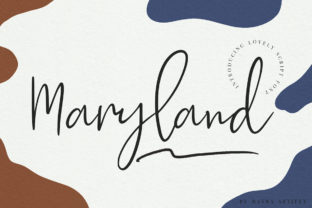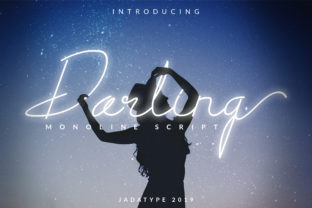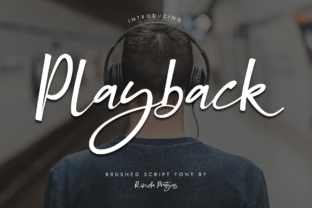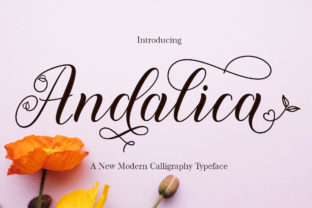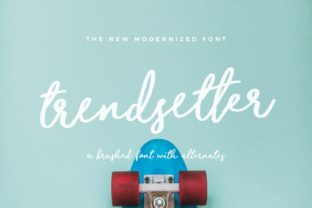
Trendsetter Font: Elevate Your Brand Identity
As a small business owner, you know that first impressions are everything. Before a customer even touches your product or reads your service description, they see your visuals. Among those visuals, typography plays a starring role. Choosing the right typeface is not just about aesthetics; it is about communication, trust, and consistency. This is where Trendsetter comes into play. As a sweet and cool handwritten font from Script Amp, it offers a unique style that bridges the gap between approachable charm and modern professionalism.
When I started building my brand, I struggled to find a voice that felt authentic yet polished. Many handwritten fonts leaned too far into messy illegibility, while others felt stiff and corporate. Trendsetter strikes a delicate balance. It captures the warmth of a personal note while maintaining the clean lines necessary for clear communication. For entrepreneurs, boutique owners, and creative founders, this distinction is vital. You want your customers to feel like they are buying from a person, not a faceless entity, but you also need them to trust the quality of your work.
Why Personality Matters in Modern Typography
In the crowded marketplace of online selling and local services, standing out requires a distinct visual identity. A generic font makes your business blend into the background. A well-chosen display font like Trendsetter acts as a visual hook. Its personality is friendly, inviting, and slightly playful, which makes it ideal for brands that want to appear accessible and human.
Consider the mood you want to evoke. If you run a cozy café, a harsh geometric font might feel cold. If you sell handmade jewelry, a rigid serif font might feel too traditional. Trendsetter brings a sense of movement and energy. It suggests creativity and care. This emotional connection is what turns casual browsers into loyal customers. When your brand identity feels consistent across your Instagram posts, your website banners, and your physical packaging, you build recognition. People begin to associate that specific handwritten style with the quality and experience you provide.
Practical Applications for Everyday Business Materials
The versatility of Trendsetter allows it to shine across various touchpoints in your business ecosystem. Here is how you can integrate this premium font into your daily operations:
- Logo Design: Use Trendsetter as the primary element for a logo that needs to feel personal. It works exceptionally well for beauty brands, coaching businesses, or artisanal shops where the founder’s name or a short tagline is central to the brand.
- Packaging Design: Imagine a minimalist candle label. A clean sans serif font lists the scent notes, while Trendsetter writes the brand name in a sweeping, elegant script. This contrast draws the eye and adds a touch of luxury without being overpowering.
- Social Media Graphics: On platforms like Instagram and Pinterest, text overlays need to be catchy. Use Trendsetter for headlines on quote graphics, sale announcements, or behind-the-scenes stories. Its readability ensures your message lands even on small mobile screens.
- Product Labels and Stickers: For handmade goods, such as jams, soaps, or ceramics, a handwritten font reinforces the "handcrafted" narrative. It tells the customer that a human made this item with attention to detail.
- Customer-Facing Materials: Thank-you cards, invoice headers, and email signatures benefit from the personal touch of a script font. It makes transactional interactions feel more relational.
Ensuring Readability in Real-World Settings
One common concern with script fonts is legibility. Will my customers be able to read it? The answer depends on context and size. Trendsetter is designed with modern typography principles that prioritize clarity. However, practical testing is essential. Before rolling out this font across your entire web design or print campaign, test it in the actual environments where it will appear.
For example, if you are using Trendsetter on a small product label, ensure the font size is large enough that the connections between letters do not blur. On digital ads, check how it renders on different devices. A font that looks crisp on a desktop monitor might lose definition on a low-resolution phone screen. Always prioritize the user experience. If a customer has to squint to read your menu or your website banner, you have lost their attention. Use Trendsetter for headlines and accent text, where its artistic flair can be appreciated, rather than for long paragraphs of body copy.
Smart Font Pairing Strategies
To maximize the impact of Trendsetter, pair it with complementary typefaces. A decorative font should never stand alone if there is significant information to convey. The goal is harmony, not competition. Here are two effective pairing strategies:
- Pair with a Clean Sans Serif: This is the most popular choice for modern brands. A neutral sans serif font provides a stable foundation, allowing Trendsetter to pop as the star. This combination works beautifully for menus, flyers, and website headers. The contrast between the structured sans serif and the fluid script creates visual interest and hierarchy.
- Pair with a Readable Serif: If your brand leans more towards tradition or elegance, such as a bridal shop or a high-end consultancy, pair Trendsetter with a classic serif font. The serif adds authority and timelessness, while the handwritten element adds warmth and approachability.
Remember, less is often more. Limit your brand palette to two or three fonts. Using Trendsetter as your primary display font and one simple font for body text ensures your design assets remain cohesive and professional.
Licensing and Professional Responsibility
Before you download and start designing, it is crucial to understand licensing. Not all fonts are created equal regarding commercial use. As a business owner, you must verify that your license covers your intended use cases. Check if the license for Trendsetter allows for use on physical products, packaging, merchandise, and client work. Some licenses are restricted to personal projects or digital use only. Investing in the correct commercial font license protects your business from legal issues and supports the designers who create these valuable tools.
Using properly licensed fonts also signals professionalism to your clients and partners. It shows that you respect intellectual property and operate with integrity. Whether you are creating digital downloads, printing thousands of labels, or designing a website for a client, ensure your usage rights are clear.
Incorporating Trendsetter into your brand toolkit is more than a design choice; it is a strategic move toward a more recognizable and trustworthy business presence. By balancing its sweet, cool aesthetic with practical readability and smart pairing, you can create a brand identity that resonates with your audience and stands the test of time. Start experimenting with this versatile typeface today, and watch how a simple change in typography can transform the way the world sees your business.